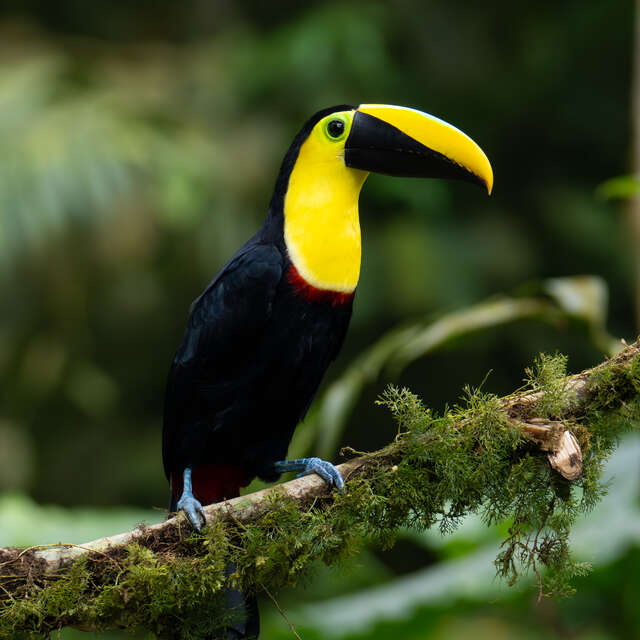
For a long time, I’ll be honest, I was skeptical of Micro Four Thirds for serious wildlife photography. Like many photographers, I came up shooting larger, heavier systems, and I associated size and megapixels with capability. That perspective changed quickly once I started spending real time in the field with OM SYSTEM, particularly the OM‑1 Mark II paired with the M.Zuiko 150–400mm f/4.5 IS PRO.

Weight, Size, and Time in the Field
One of the first things that stood out to me was the weight savings and compact size of this setup. As a dual‑system user, I’m used to carrying significantly larger and heavier kits. While those systems have their place, they also come with limitations, especially when it comes to how long you can comfortably hand hold a lens while waiting for action to happen.
With the OM‑1 Mark II and M.Zuiko 150–400mm, I can stay locked in longer. That matters in wildlife photography, where moments don’t happen on command. Being able to hold a setup steady while tracking behavior without fatigue directly translates into more keepers.
Autofocus That Actually Keeps Up
One of the biggest surprises for me was the Bird Detect autofocus. Simply put, it’s the most sticky and reliable bird AF I’ve used to date. Lock‑on is fast, tracking is confident, and once it grabs focus, it holds it.
That reliability takes a huge mental load off while shooting. Instead of fighting focus or second guessing the system, I can concentrate on timing, composition, and behavior, the things that actually make an image compelling.

400mm | 1/1600 | F4.5 | ISO 500
Reach Without the Bulk
The Micro Four Thirds sensor brings another major advantage for wildlife work: effective reach. Compared to a 35mm full‑frame equivalent, you gain extra field‑of‑view reach without adding size or weight. For wildlife photographers, that’s a real benefit, especially when subjects are distant or access is limited.
Low Light and High ISO Performance
Low light is something every wildlife photographer deals with, early mornings, late evenings, overcast days, and forested environments. High ISO performance on this system has not been an issue for me.
Proper exposure for the subject combined with the new processing and software improvements in the OM‑1 Mark II make this a very capable setup in challenging light. Noise has been well controlled, detail holds up, and files remain flexible in post. Any lingering concern I had about low‑light limitations disappeared quickly.

400mm | 1/2500 | F4.5 | ISO 8000
Getting Past the MFT Fear
That hesitation around Micro Four Thirds didn’t last long.
The turning point came while photographing a rare visit from a Roseate Spoonbill in New Jersey. From the first outing, the system locked focus instantly and held it with ease. The experience was eye‑opening. This 20‑megapixel camera had no problem producing sharp, detailed images that fully showcased the subject.

400mm | 1/1600 | F4.5 | ISO 160
“But What About Megapixels?”
We’ve all heard it: the more megapixels you have, the more you can crop. Does that mean 20MP isn’t enough?
Not even close.
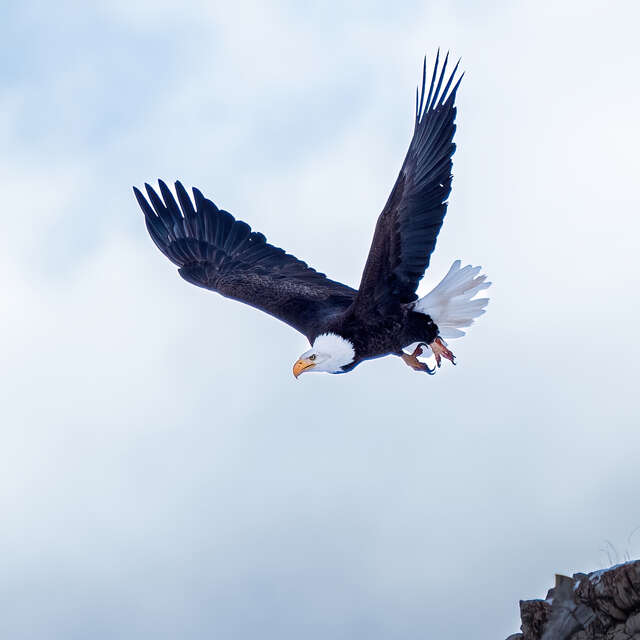
Many of my bald eagle images are cropped significantly, and the results speak for themselves. Detail, sharpness, and clarity are all there. More megapixels alone won’t make you a better photographer. Understanding your gear and knowing how to work within its capabilities will.
Once you do that, you adapt to the situation and get the most out of what you’re using. Skill, timing, and positioning matter far more than a spec sheet.

400mm | 1/2500 | F4.5 | ISO 800
Built for Real Conditions
Another major advantage of this setup is durability. Both the OM‑1 Mark II and the 150–400mm f/4.5 IS PRO are IP53 certified, offering strong protection against dust and moisture. Let’s be honest, if you spend enough time outdoors with a camera, you’re going to end up in a rain shower sooner or later.
Having confidence that your gear can handle the elements means you don’t have to pack up early or hesitate when conditions change.
Final Thoughts: Who Is This System For?
I’ve been genuinely impressed with how capable this compact setup is. I find myself reaching for it more and more, especially on days when I know I have long hikes ahead or need to stay mobile.
So, who do I think this system is for?
- Photographers who value portability and lightweight gear
- Those who want serious reach without massive lenses
- Anyone looking for a cost‑efficient alternative to larger systems
- Wildlife photographers who prioritize time in the field over gear weight
When you look at the images coming out of this system, it’s hard not to ask: Would you feel confident and proud achieving results like these from a kit that fits into a standard‑sized backpack?
For me, the answer is an easy yes.

400mm | 1/1600 | F4.5 | ISO 4000

400mm | 1/3200 | F4.5 | ISO 800

400mm | 1/2500 | F4.5 | ISO 1000

About Ryan Kessler
Adventure has shaped who I am for as long as I can remember. From family trips to the Outer Banks to growing up outdoors and staying active through sports like baseball, football, and jiu jitsu, I’ve always been drawn to movement, challenge, and time spent outside. That path eventually led me to serve in the United States Marine Corps, where discipline, adaptability, and attention to detail became second nature.
After my time in the Marines, I picked up a camera and quickly realized it was more than a hobby. What started as curiosity evolved into a passion for visual storytelling. Over the years, my work has included photographing high-energy professional events such as PBR, MMA, and Nitro Circus, as well as commercial and product photography.
While I enjoy fast-paced environments, wildlife photography is where I feel most grounded. Spending time in nature, observing behavior, and waiting for fleeting moments is what drives my work today. I’m drawn to images that capture action, emotion, and subtle details, the elements that make a photograph feel authentic and alive.
Equally important to me is helping others grow through photography. I enjoy teaching, guiding, and sharing what I’ve learned so people can create stronger images and meaningful experiences of their own. For me, photography isn’t just about the final frame, it’s about patience, awareness, and being fully present in the moment.